Thinking about selling your Rockville home soon? You are not alone, and timing your move matters. Recent snapshots show median sale prices around the mid 500s and many homes taking several weeks to sell, so a sharp pricing plan and smart preparation can make a big difference. In this guide, you will learn how to set the right list price, what to fix or refresh before you go live, and how to launch for maximum attention. Let’s dive in.
Rockville market: what to expect now
Local data shows a balanced to slightly buyer-leaning pace in parts of Montgomery County, with higher inventory than the pandemic peak and longer days on market. County associations noted days on market trending up into late 2025, with medians near two months in some areas. That means buyers compare more listings and expect value, while well-prepared homes still draw strong interest. For context on recent county trends, review the Greater Capital Area Association of Realtors January 2026 housing stats and commentary in their news hub at GCAAR’s market update.
Mortgage rates can shift demand quickly. In late February 2026, the 30-year average hovered around 5.98 percent according to the Freddie Mac Primary Mortgage Market Survey. Lower rates can expand the buyer pool in spring, but they may also bring more competing listings. Build a pricing strategy that reflects your neighborhood comps and current absorption, not just a citywide median.
Price with hyper-local comps
A citywide median hides big differences by subdivision, school district, construction era, and condition. Start with a live comparative market analysis at the neighborhood level that prioritizes the last 30 to 90 days of closings. In Rockville, focus on homes in the same micro area and vintage, such as King Farm, West Rockville, or East Rockville, then refine for square footage, bed and bath count, lot size, parking, and interior updates.
Ask your agent to show you:
- Recent sold prices and list-to-sale ratios for true comps.
- Days on market for similar condition homes.
- Active inventory that buyers will compare to your home.
- Offer activity patterns in your price band.
When inventory is tight and similar homes are receiving multiple offers, a slight under-market anchor can spark a bidding response. When inventory is rising and days on market trend into the 50 to 60 day range, pricing at-market or just above tends to keep showings steady without triggering early price cuts. Set an initial pricing response window of the first 10 to 14 days, then evaluate feedback and showing counts with your agent.
Show your CMA window and adjustments
Insist on clarity in the CMA. A helpful format looks like this:
- Comps: 30 to 90 days, within a 1-mile radius where possible, same bed and bath count.
- Adjustments: condition, age and type of updates, lot size and outdoor spaces, parking, basement finish, and any permitted additions.
- Pricing test plan: how you will read showing volume, online saves, and buyer feedback in the first two weeks, plus when a tactical price change may be wise.
Prep that pays off in Rockville
You do not need a top-to-bottom remodel to win. Most sellers see better results by tackling curb appeal, repairing safety issues, and completing light interior refreshes that photograph well. Exterior upgrades often deliver some of the best cost recovery at resale, according to the annual Cost vs. Value Report. Items like a new garage door, a steel entry door, manufactured stone accents, and fiber-cement siding upgrades have ranked high for cost recoup. A minor kitchen remodel can also help modernize without overspending.
Prioritize your punch list in this order:
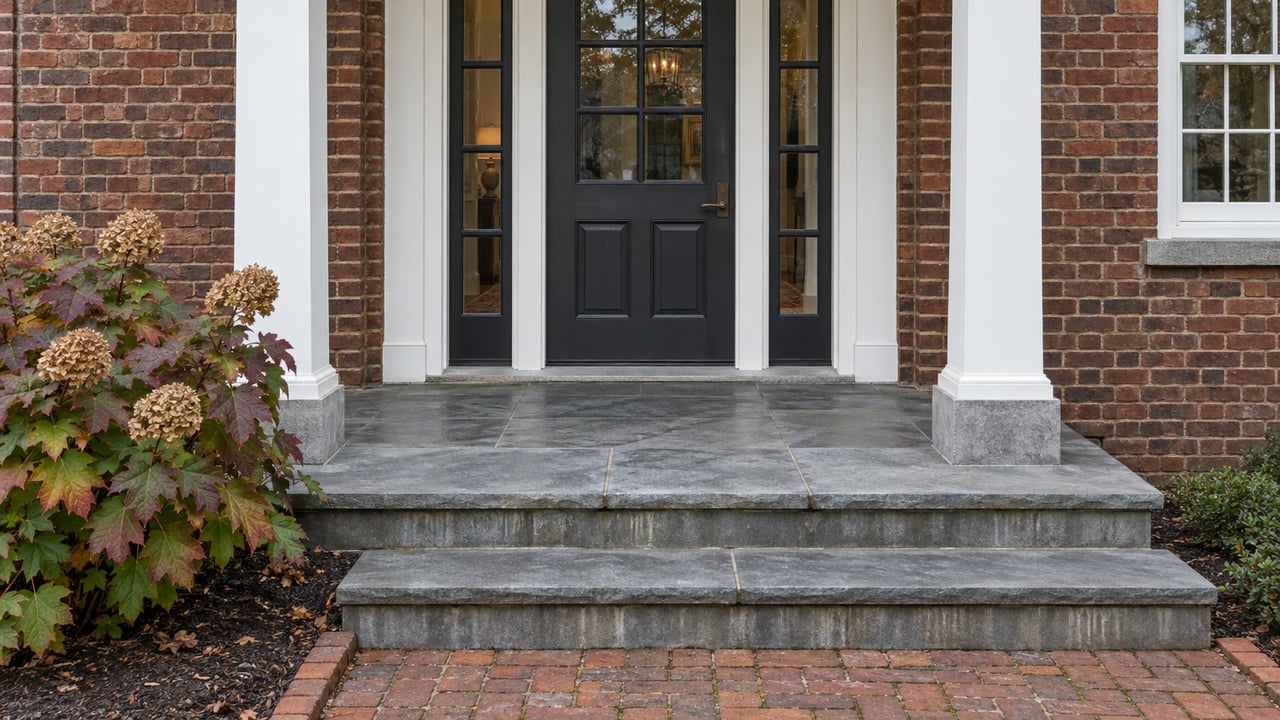
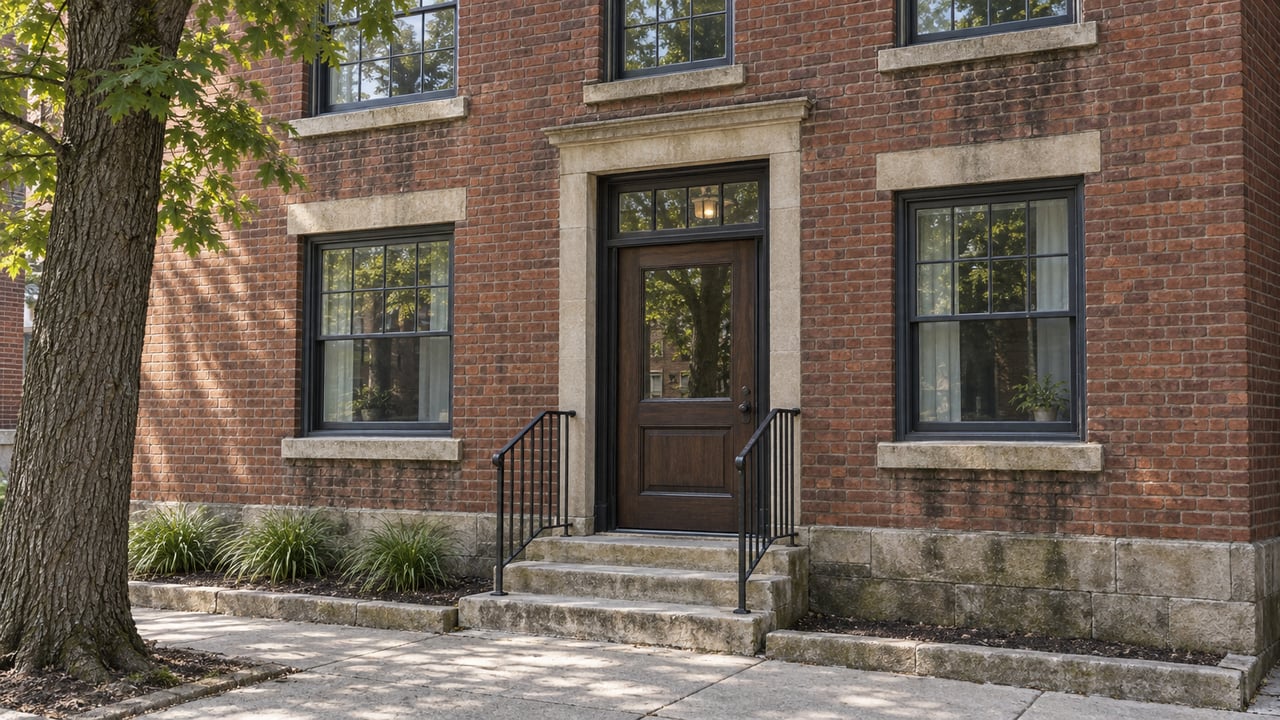
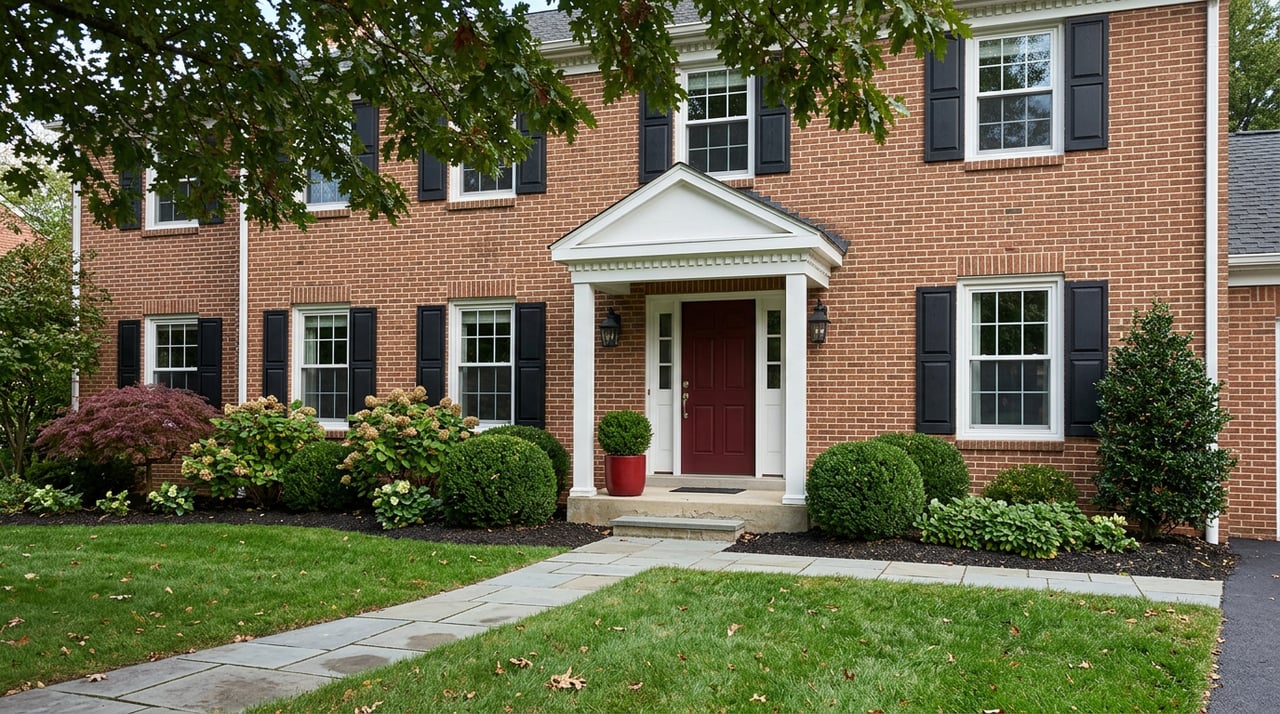
- Curb appeal. Clean landscaping, fresh mulch, power wash, paint or replace the front door, and repair the driveway or walkway. These items create a strong first impression online and in person. The Cost vs. Value benchmarks support the impact of these exterior projects.
- Safety and structure. Use a pre-list inspection to find and fix big-ticket or safety issues, such as roof leaks, electrical hazards, or failing HVAC. Taking care of major items before you list reduces renegotiation pressure later and bolsters buyer confidence.
- Smart refreshes. Swap dated lighting, paint in neutral tones, update cabinet hardware, refresh grout and caulk, and repair minor drywall. These updates show well in photos and do not require heavy spending.
- Staging and photos. Professional staging and photography are leverage points for your marketing. According to the National Association of Realtors, staging helps buyers visualize a property and can shorten market time, especially in competitive price bands. See why staging matters in NAR’s staging insights.
Maryland disclosures: what you must provide
Maryland law requires sellers to provide either the Residential Property Disclosure or a Disclaimer Statement on the state form. Even if you sell as-is, you must disclose known latent defects. Sellers must deliver the completed disclosure or disclaimer at or before contract. If buyers do not receive it before they sign, they may have a short window to rescind. Review the statute at Maryland Real Property §10-702.
Create a simple document kit before you list:
- The Maryland Residential Property Disclosure or Disclaimer form.
- Receipts and warranties for recent work or replacements like roof, HVAC, or water heater.
- HOA or condo documents, if applicable.
- Permit history and plans for any additions or major changes.
Having this ready speeds underwriting and reduces buyer questions.
Permits: City of Rockville vs county
Permit rules depend on jurisdiction. If your property is inside Rockville city limits, you apply through the City of Rockville for building, trade, deck, fence, electrical, plumbing, and other permits. If you are in unincorporated Montgomery County, you work with the county Department of Permitting Services. Verifying jurisdiction early prevents surprises during buyer due diligence. Explore the City’s permit and inspection guidance at Rockville Permits and Inspections.
If you plan roof replacement, a new deck, or structural work, expect review and inspection lead times. Start applications early in your 6 to 18 month window and keep documentation organized so buyers can see that major work was permitted and signed off.
Staging choices and cost expectations
Staging helps buyers imagine daily life in your home. NAR notes the living room, primary bedroom, and kitchen carry the most weight for in-person appeal and photos. If you live in the home, an occupied staging plan can edit and supplement your furniture to highlight space and flow.
Typical ballpark costs in the area look like this:
- Consultation: commonly a few hundred dollars for a detailed plan.
- Occupied home or partial staging: from a few hundred to a few thousand dollars, depending on rooms and rental items.
- Vacant home staging: often several thousand dollars for furniture rental across the listing period.
- Virtual staging: a lower cost per-photo option that improves online presentation, though it does not replace real furnishings for showings. For a consumer overview of costs and considerations, see this guide to home staging costs.
Work with your agent to choose the right mix for your price point and competition. Stage before photography to maximize the impact of listing images.
Your launch plan for maximum exposure
A disciplined launch creates strong early momentum and better negotiating power. Here is a proven sequence that works well in Rockville.
2 to 3 weeks before you go live
- Complete final touch-ups, deep clean, and declutter.
- Finish staging and book professional photography and floor plans.
- If using a pre-list inspection strategy, complete it now and address priority items.
- Gather your disclosure packet and confirm permit records for any major work.
Listing week
- Publish to the MLS with high quality photos, a floor plan or 3D tour if possible, and a clear property description that highlights updates and permitted work.
- Confirm local MLS policies if you consider a Coming Soon or delayed marketing window. Industry policies changed in 2025, and local MLSs handle visibility and days on market tracking differently. For background on policy shifts, see industry coverage of MLS changes. Your agent will confirm Bright MLS rules.
- Consider a broker preview before public showings and plan for a well-promoted first weekend open house.
First weekend and offers
Decide in advance whether you will set an offer deadline or review offers as they come. A timed window can create competitive tension, while rolling offers may surface an early strong buyer. Monitor showings, feedback, and online interest to gauge if your pricing and presentation are on target.
When to adjust price or strategy
Your first 10 to 14 days deliver the clearest market signal. If you see low showings, few online saves, or feedback that points to a pricing gap, act quickly. Common next steps include a modest price adjustment, improved staging or lighting in a key room, or new hero photos to reset the listing’s first impression.
Your agent should benchmark your results against similar active homes and recent pendings in your micro market. The goal is to correct course early, not after weeks of accumulating days on market.
Timeline: a 6 to 18 month roadmap
A longer runway gives you more options and better contractor availability. Use this checklist to stay on track.
12 to 18 months out
- Evaluate whether to sell as-is or invest in targeted updates. Use the Cost vs. Value Report to weigh expected cost recovery for bigger projects like siding, a midrange kitchen update, or a garage door replacement.
- If you are considering a major addition, start with zoning and permit feasibility.
6 to 12 months out
- Plan and book any significant exterior or structural work. Permitting and contractor scheduling can add weeks in Rockville and across Montgomery County. Confirm whether you need City of Rockville permits using the Permits and Inspections portal.
- Build your document kit and keep receipts and warranties in one place.
2 to 3 months out
- Complete permitted work and handle major repairs flagged by your pre-list inspection.
- Tackle curb appeal projects and interior refreshes that will show well in photos.
- Choose your staging approach and schedule photography and floor plans.
- Prepare your Maryland disclosure or disclaimer form and HOA documents if applicable.
2 to 4 weeks out
- Declutter, deep clean, and install staging.
- Finalize marketing assets and an open house plan for launch weekend.
Listing week
- Launch on the MLS with full media, highlight permitted work, and set a clear showing and offer review plan.
- Track activity daily and prepare to compare offers with your agent’s guidance.
Why your agent choice matters
In a market where buyers compare many listings, presentation and pricing precision are everything. You want a team that lives in the data, stages and photographs at a high level, and runs a disciplined launch. That combination protects your days on market and sets you up to negotiate from strength.
If you are planning a move this year, start with a neighborhood-level pricing consult and a custom preparation plan aligned to your timeline and goals. A strategic approach can turn small improvements into big results at the closing table.
Ready to plan your sale with a polished, launch-style process and data-backed pricing? Connect with The Agency DC to map your next steps.
FAQs
Do Maryland sellers have to provide a disclosure form?
- Yes. Maryland requires a Residential Property Disclosure or a Disclaimer Statement on the state form, and you must disclose known latent defects. See Maryland Real Property §10-702.
What permits matter when selling a Rockville home?
- Structural, electrical, plumbing, roofing, decks, and many exterior projects require permits. If you are inside city limits, apply through the City of Rockville’s permits and inspections; verify jurisdiction before starting work.
How much should I budget for staging in Rockville?
- Expect a few hundred dollars for a consult, hundreds to a few thousand for occupied or partial staging, and several thousand for full vacant staging. For a consumer overview, see this home staging cost guide.
How do interest rates affect my pricing and timing?
- Lower rates can boost the buyer pool and showing activity, especially in spring. Check the latest 30-year average in the Freddie Mac PMMS and pair that with a fresh neighborhood CMA to fine-tune your launch window.