Looking for a place that feels connected, familiar, and easy to settle into can be harder than it sounds. In a region known for busy roads, large subdivisions, and fast-moving schedules, Kensington stands out for a different reason. Its small-town feel comes from something more lasting: a compact historic core, repeat local routines, and community traditions that still shape daily life. Let’s take a closer look.
Kensington Starts Small by Design
One reason Kensington feels like a small town is simple: it actually is one. The Census Bureau lists the incorporated Town of Kensington at about 0.5 square miles with a population of 2,122, which gives it a scale that naturally feels personal and navigable.
That scale is tied to the town’s history. Kensington began as a planned Victorian community in the early 1890s as Kensington Park and was incorporated on April 6, 1894. The town government still follows the same basic structure, with a mayor, council, town manager, and monthly meetings, which reinforces a sense of continuity.
Just as important, Kensington’s identity is rooted in its civic town center, not in a sprawling commercial strip. That helps create a place that feels distinct and recognizable when you spend time there.
Historic Streets Shape the Atmosphere
Kensington’s physical layout does a lot of the work. The Kensington Historic District is primarily residential, with a small commercial section along the railroad edge, so homes, shops, and public spaces feel connected rather than spread apart.
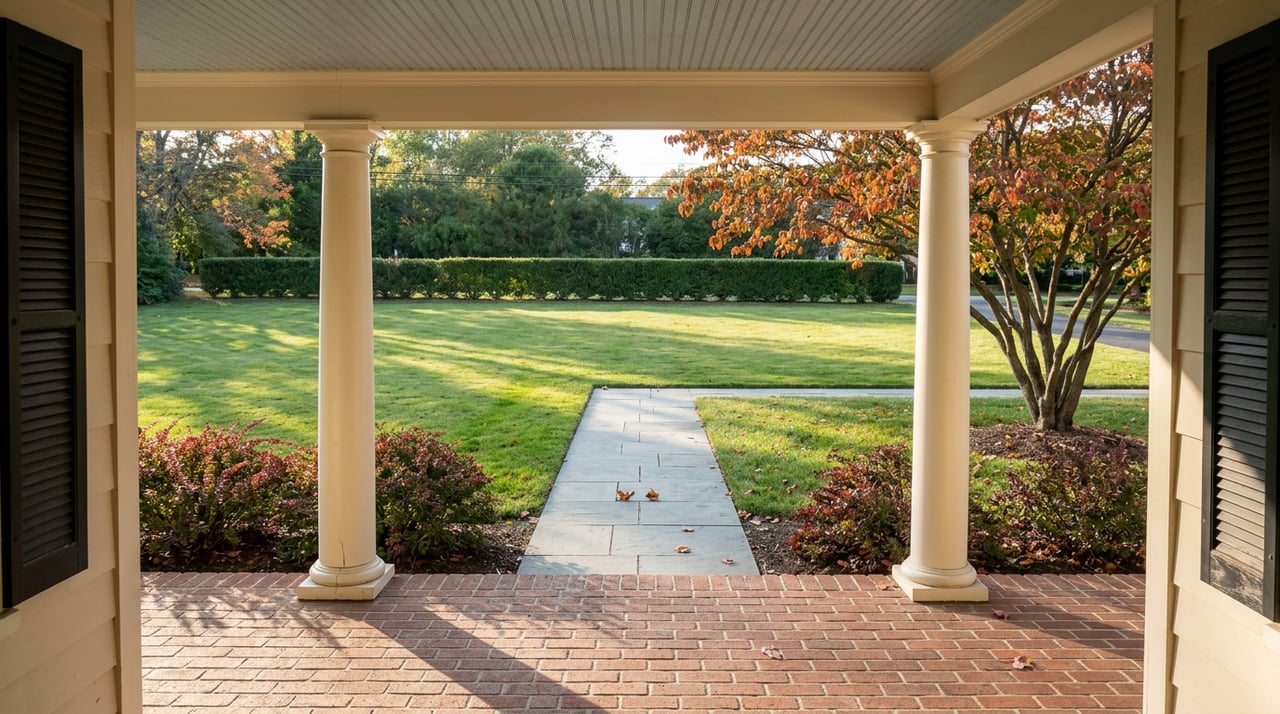
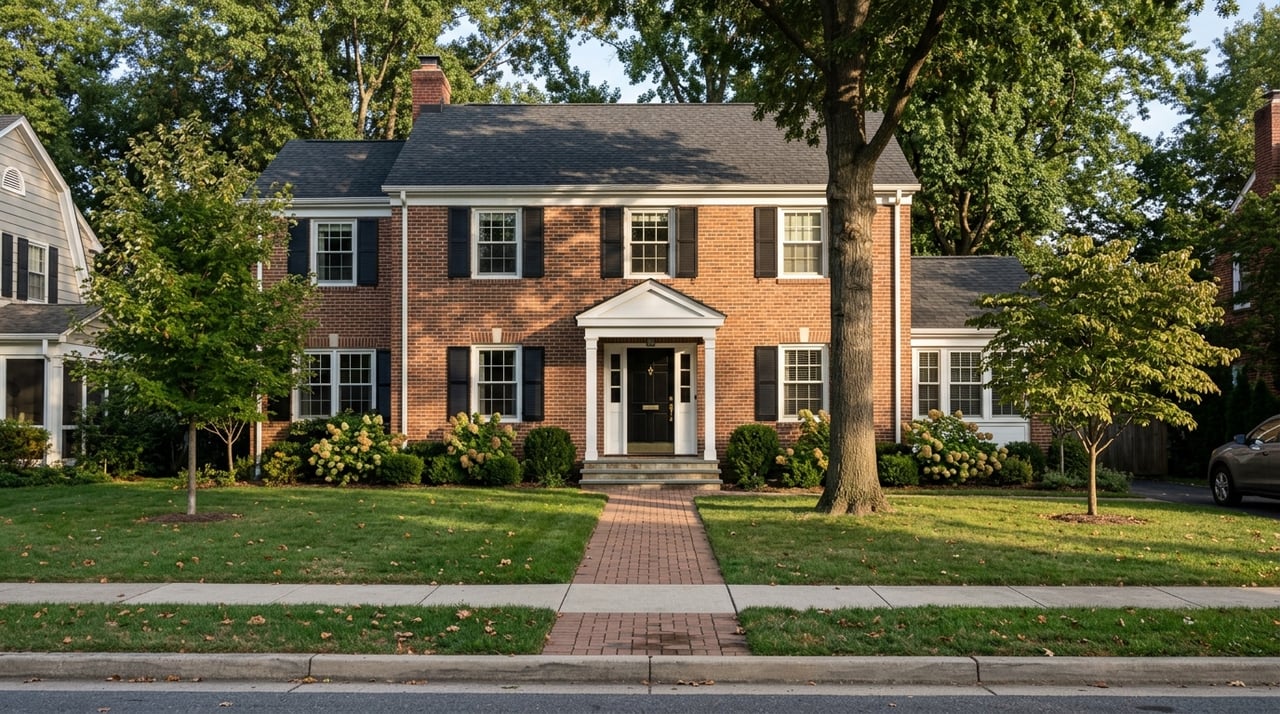
The historic district is known for features that make the town feel intimate and memorable. The National Register description highlights curved drives, landscaped blocks, wraparound porches, curving brick sidewalks, tall trees, and mature shrubbery. Those details give the streets a lived-in, established feel that is hard to replicate in newer areas.
When you walk or drive through the historic core, you can feel that original planning vision. The streetscape encourages you to notice front porches, mature canopy, and the rhythm of homes and gathering spots close together.
Why Howard Avenue Matters
Howard Avenue functions as Kensington’s historic main street. It anchors the town’s commercial identity and helps connect the train station, local businesses, and nearby residential streets into one compact experience.
The town identifies three shopping areas: Old Town District, West Howard, and Kensington North. Within those areas, you will find antique shops, bookstores, consignment stores, jewelry, home décor, gifts, pet and hardware shops, and art-related businesses.
That mix matters because it supports everyday use, not just occasional visits. In a small town, the same places often serve as both errand stops and social touchpoints, and Kensington reflects that pattern well.
Daily Life Feels Local and Repeatable
A true small-town feeling often comes from routine. In Kensington, many of the same destinations show up again and again in daily and weekly life, which makes the town feel familiar over time.
The Kensington Farmers’ Market is a great example. It runs every Saturday year-round from 9 a.m. to 1 p.m. at the Historic Train Station on Howard Avenue, with more than 20 vendors offering produce, prepared foods, cheeses, seafood and meats, flowers, and other staples.
That kind of recurring weekly rhythm helps create a sense of place. Instead of driving from one disconnected destination to another, you return to a known setting where the market, station area, and surrounding businesses work together as part of the same routine.
The Train Station as a Gathering Point
The Historic Train Station is more than a transportation landmark. Town and local visitor sources describe it as a destination for both the farmers’ market and concerts, which gives Kensington a regular public gathering place.
That matters in everyday life. Places that host both practical routines and community events tend to become shared reference points, and that is a big part of why Kensington feels cohesive.
Explore Kensington also notes that the town is accessible by car, MARC train, bus, Metro, and bicycle, and is about four miles from Washington, D.C. Even with that regional access, the center of town still feels local in scale.
Everyday Errands Stay Close to Home
Kensington also supports the kinds of small routines that make a place feel personal. The town’s shopping and dining information notes a pocket-sized restaurant guide with 38 eating establishments, along with coffee shops, full-service dining, fast-casual options, and grocery markets.
That means your day can unfold in a compact area. You might stop for coffee, run an errand, browse along Howard Avenue, or pick up ingredients at the market without feeling like you are moving through a large commercial zone.
Over time, that repeatable pattern becomes part of the town’s character. You are not just visiting a business district. You are circulating through a place with recognizable landmarks and a steady local rhythm.
Parks Keep Community Life Visible
Small towns often feel that way because public life is easy to see. In Kensington, parks play a big role in making that happen.
The Town of Kensington says it maintains six Town parks and is also home to four County parks. These are not distant destinations on the edge of town. They are woven into the everyday fabric of the community.
Clum-Kennedy Park is described as a quiet meditative garden. Howard Avenue Park is a small urban park with benches and flower beds. St. Paul Park offers a tot lot, ball field, and walking track.
Warner Circle Park Adds to the Town Center Feel
Warner Circle Park is another important anchor. Montgomery Parks says the 4.5-acre park sits in the heart of the Kensington Historic District and has hosted events such as Music in the Circle, Opera in the Circle, and Pumpkin Rock n’ Roll.
That location matters. When a park sits in the middle of a historic district and doubles as an event space, it strengthens the feeling that community life happens out in the open and close to home.
Kensington Cabin Local Park also reflects the town’s civic history. Its beginnings trace back to a 1924 effort by the Woman’s Club to create a park on town-owned lots, which adds another layer of local continuity.
Traditions Make the Town Feel Familiar
Places start to feel like small towns when events become part of the yearly calendar, not just one-time attractions. Kensington has a strong pattern of recurring traditions that reinforce that sense of familiarity.
The Town highlights the Kensington Labor Day Parade & Festival and the Kensington Day of the Book Festival as signature events. The Kensington Historical Society also describes town life through picnics, parades, festivals, and concerts.
These traditions matter because they give residents shared routines across seasons. The same streets and parks that support daily life also become the backdrop for annual events, which helps the town feel connected year after year.
Summer Concerts Add Weekly Rhythm
Howard Avenue Park hosts the Kensington Historical Society’s summer concert series on Saturdays during the warmer months. That kind of recurring event adds another predictable gathering point to the calendar.
In practical terms, it means community life is not limited to a few major festivals. It also shows up in smaller, steady moments that bring people back to the same public spaces.
That repeated use of familiar places is one of the clearest reasons Kensington feels like a small town. You see the same parks, streets, and community landmarks serving different roles throughout the year.
What This Means if You’re Considering Kensington
If you are thinking about buying in Kensington, the town’s appeal is not just architectural charm. It is the way homes, shops, parks, and events are interwoven inside a compact historic core.
That can make day-to-day life feel more grounded and legible. Instead of a place defined by wide distances and separated uses, Kensington offers a setting where local routines tend to overlap.
It is also worth keeping one important detail in mind. The 20895 ZIP code extends beyond the incorporated Town of Kensington, so not every address with a Kensington mailing address reflects the same civic and historic core described here.
For a more accurate picture, it helps to focus on anchors like the town center, Antique Row, the Historic Train Station, Howard Avenue Park, Warner Circle Park, and Kensington Cabin Local Park. Those places best capture the experience that gives Kensington its small-town reputation.
If you want help understanding how Kensington fits into your home search or sale strategy in Montgomery County, The Agency DC can help you evaluate the market with local insight and a clear plan.
FAQs
What makes Kensington, Maryland feel like a small town?
- Kensington feels like a small town because it has a compact historic core, a small incorporated footprint of about 0.5 square miles, local shopping districts, public parks, and recurring community traditions centered around familiar gathering places.
Is the Town of Kensington the same as ZIP code 20895?
- No. The 20895 ZIP code extends beyond the incorporated Town of Kensington, so not every 20895 address is within the town limits or part of the historic civic core.
What is Howard Avenue in Kensington known for?
- Howard Avenue is known as Kensington’s historic main street and connects key parts of town life, including local businesses, the Historic Train Station, and nearby residential streets.
What happens at the Kensington Farmers’ Market?
- The Kensington Farmers’ Market takes place every Saturday year-round from 9 a.m. to 1 p.m. at the Historic Train Station on Howard Avenue and features more than 20 vendors offering produce, prepared foods, cheeses, seafood and meats, flowers, and other staples.
Which parks help define the feel of Kensington, Maryland?
- Parks that help define Kensington’s character include Howard Avenue Park, Warner Circle Park, Clum-Kennedy Park, St. Paul Park, and Kensington Cabin Local Park because they support both everyday use and community events.
What annual events contribute to Kensington’s community feel?
- Recurring events such as the Kensington Labor Day Parade & Festival, Kensington Day of the Book Festival, summer concerts, and other public gatherings help give the town a familiar, community-centered rhythm.