Thinking about buying in Kensington? The style of home you choose can shape everything from your daily layout to your future maintenance budget. In a town known for its older housing stock and historic character, understanding what different home styles usually mean can help you make a more confident decision. Let’s dive in.
Why Kensington Home Style Matters
Kensington is not just another suburban housing market. The town was founded in the early 1890s as a planned Victorian community, and its historic district includes late-19th- and early-20th-century homes with Queen Anne, Shingle, Eastlake, and Colonial Revival influences.
That history still affects what you see today. Kensington’s older blocks are shaped by consistent lot rhythm, setbacks, and exterior materials, which means a home’s style is often tied to the broader feel of the street. When you shop here, you are not only choosing square footage and finishes. You are also choosing a certain relationship to the town’s architectural character.
Kensington is also more varied than many buyers expect. According to the latest ACS profile, 52.5% of housing units are detached homes, while 37.4% are in buildings with 20 or more units. Only 6.2% of units were built in 2010 or later, and about 80.3% were built before 1970.
That mix matters. It means Kensington offers both classic detached homes and a meaningful multifamily component, but newer construction is relatively limited. If you are searching here, home style is often a practical clue to layout, upkeep, and renovation potential.
Colonial Homes in Kensington
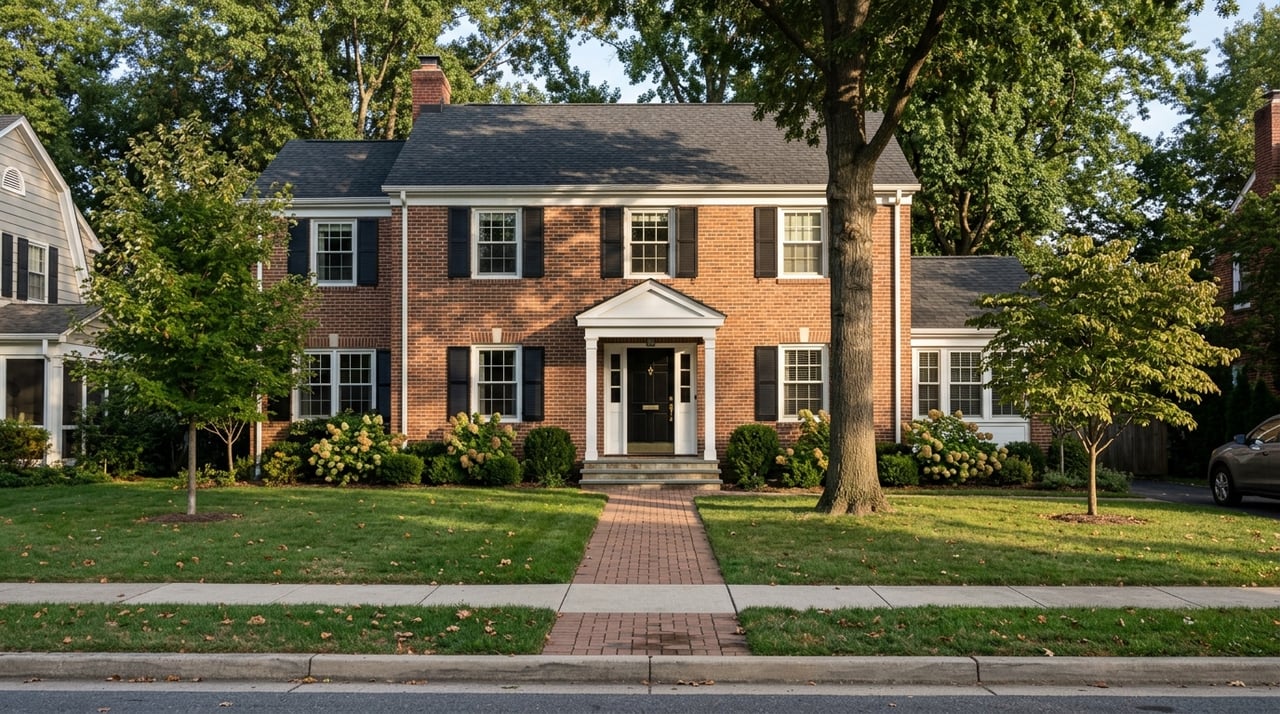
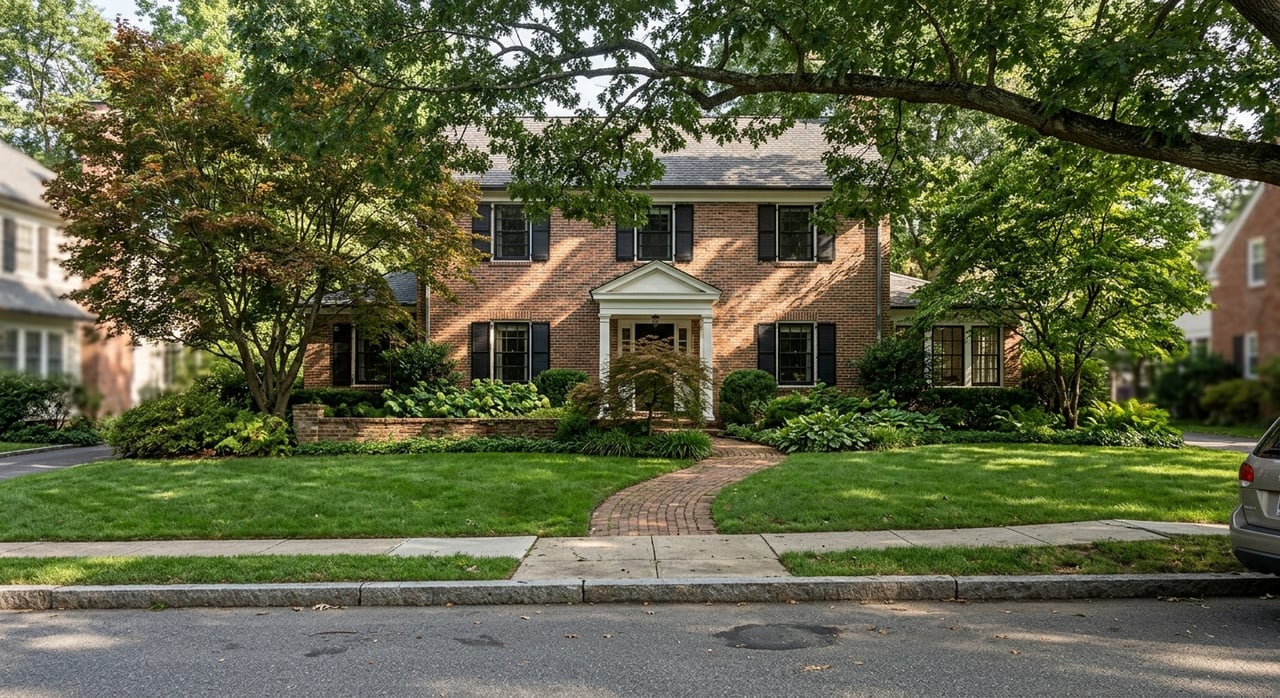
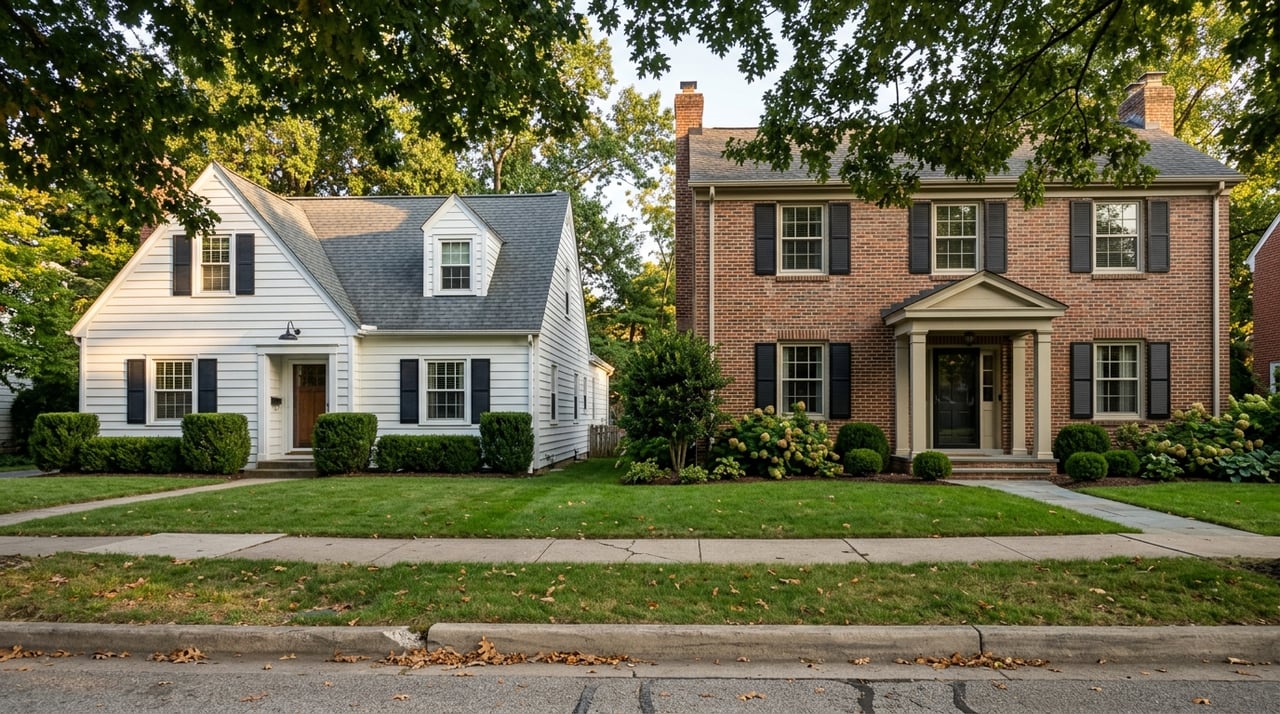
Colonial Revival is one of Kensington’s signature historic styles. These homes are typically symmetrical and classically inspired, often with centered front entries, front porches, columns or pilasters, sidelights or fanlights, and double-hung windows.
For you as a buyer, a Colonial often means a more traditional floor plan. These homes usually feel more formal than open-concept layouts, with clearer separation between living spaces. If you value classic curb appeal and distinct rooms for work, dining, or entertaining, this style may fit your goals well.
The tradeoff is that the layout may not feel as open as newer homes. In Kensington, that is not necessarily a downside. Many buyers specifically want that sense of structure and architectural presence.
Cape Cod Homes in Kensington
Cape Cod Revival homes are usually simple, compact, and easy to recognize. They are often one to one-and-a-half stories tall, with steep roofs, limited ornament, multipane windows, chimneys, and exteriors finished in clapboard, shingle, or brick.
If you are drawn to efficient living, a Cape Cod may be worth a close look. These homes often have a lower visual profile and a manageable footprint, which can appeal to buyers who want charm without the scale of a larger two-story home.
The main consideration is space planning. Original Cape Cod layouts can feel tighter than Colonials, so storage, room flow, and how previous owners updated the home matter a lot. A well-renovated Cape Cod can live very differently from one that still follows its original compact plan.
Bungalows in Kensington
Bungalows bring a different kind of appeal. They are generally one or one-and-a-half stories, with low-pitched roofs, wide eaves, exposed rafters or braces, front porches, and open or interconnecting main-level rooms.
For many buyers, that translates to a more relaxed, porch-centered feel. Bungalows often feel approachable and comfortable, with fewer stairs and a lower profile than taller homes. If you like architectural charm and a layout that feels connected on the main level, this style can be a strong match.
These homes can also feel smaller, so it helps to look beyond listing photos. Pay attention to how the main rooms connect, how much usable storage exists, and whether any additions blend well with the original structure.
Townhomes and Attached Living
While Kensington is often associated with detached homes, attached housing is still part of the market. The Census Bureau defines 1-unit attached homes as separate attached structures with walls that run from ground to roof. In everyday terms, these are the homes most people call townhomes or row houses.
For you, a townhome often means more efficient land use. In general, that can translate to less private side-yard space and more shared-wall living in exchange for a denser, lower-maintenance feel. It can be a smart fit if you want a more streamlined property without taking on the upkeep of a larger detached lot.
As always, specifics vary by property. Some attached homes live larger than expected, while others prioritize convenience over outdoor space. The key is understanding what tradeoffs matter most to you.
What Newer Builds Usually Mean
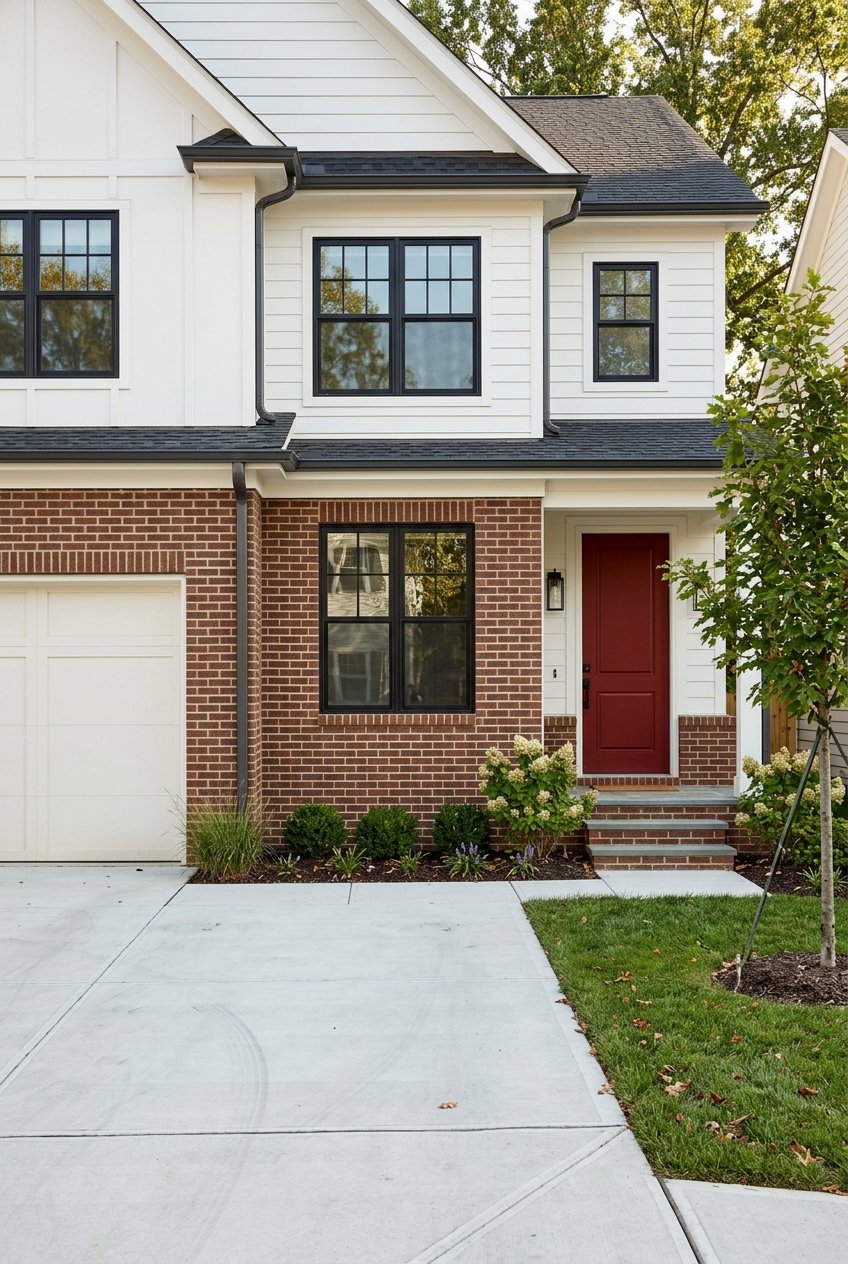
Newer construction exists in Kensington, but it is not the dominant story. Only 6.2% of housing units in the 2020-2024 ACS profile were built in 2010 or later.
That means newer builds are usually less important here as a style category and more important as a systems and maintenance category. If you prefer more contemporary layouts, updated building systems, and fewer immediate repair concerns, newer homes may stand out quickly in your search.
Still, newer does not automatically mean fewer restrictions. If a property is inside the historic district, exterior work may still need to align with preservation rules. That is why style, age, and location within Kensington all need to be considered together.
Historic District Rules to Know
In Kensington, historic-district status can affect your plans long after closing. The town code states that historic-district properties are subject to Montgomery County historic-preservation law, and Montgomery Planning says exterior work on historic-site or historic-district properties generally needs an approved Historic Area Work Permit, or HAWP.
That does not mean every repair becomes a major project. Routine maintenance or repairs that do not materially affect the historic resource are treated differently. Still, before you plan exterior changes, it is smart to verify whether the property is in the historic district and what approvals may be required.
This is one of the biggest reasons style labels alone are not enough. A house may look straightforward from the street, but its district status, renovation history, and exterior materials can all affect your budget and timeline.
Older Homes Need a Different Lens
Because Kensington’s housing stock skews older, maintenance deserves serious attention. The National Park Service emphasizes routine preventive care for older buildings, noting that roof soundness, secure attachments, and functioning joints help limit storm damage and that deferred maintenance can become more expensive over time.
For many Kensington homes, the recurring budget items are the exterior features that define their character. That often includes roofing, windows, porch elements, trim, and in some cases masonry or wood siding.
The National Park Service also notes that historic wood windows are often worth repairing or weatherizing rather than replacing. Roof systems on historic buildings should be inspected periodically, including after storms. If you are buying an older Colonial, Cape Cod, or Bungalow, these details can matter just as much as kitchen finishes or bathroom updates.
How to Match Style With Your Priorities
The right home style depends on how you want to live, not just what looks best in photos. In Kensington, each style tends to signal a different set of strengths and tradeoffs.
Here is a simple way to think about it:
- Colonial: often best for buyers who want classic curb appeal and more formal room separation
- Cape Cod: often best for buyers who want smaller-scale living and a lower visual profile
- Bungalow: often best for buyers who want porch-centered charm and fewer stairs
- Townhome: often best for buyers who prefer attached living and efficient land use
- Newer build: often best for buyers who prioritize newer systems and more contemporary layouts
The most important local takeaway is this: in Kensington, the style name matters, but lot rhythm, renovation history, and historic-district status often matter just as much. A home can be beautiful and well located, yet still come with preservation review or ongoing exterior considerations that deserve careful planning.
What Buyers Should Look At First
When you tour homes in Kensington, try to go beyond the style label in the listing. Focus on a few practical questions early in the process.
Ask yourself:
- How does the layout fit the way you actually live day to day?
- How much maintenance are you comfortable taking on?
- Does the home appear to have updated roofing, windows, porch elements, or siding?
- Is the property inside the historic district?
- If you want to renovate, what exterior changes might require review?
Those questions can help you compare homes more clearly. They also help you avoid confusing architectural charm with simplicity of ownership, which are not always the same thing in an older market.
Kensington offers a distinctive mix of housing character, history, and practical choice. If you understand what each home style usually means before you buy, you can narrow your search faster and make decisions with more clarity. If you want tailored guidance on how Kensington homes compare and which style best fits your goals, The Agency DC can help you navigate the market with local insight and a clear strategy.
FAQs
What does a Colonial home in Kensington usually offer?
- Colonial homes in Kensington usually offer classic curb appeal, symmetrical design, and a more traditional layout with greater room separation.
What should buyers know about Cape Cod homes in Kensington?
- Cape Cod homes in Kensington are often compact and manageable, but their original footprints can feel tighter, so efficient space use matters.
Why do Bungalows appeal to Kensington buyers?
- Bungalows often appeal to Kensington buyers because they offer porch-centered charm, a lower profile, and fewer stairs than taller homes.
Are newer homes common in Kensington, Maryland?
- No, newer homes are relatively limited in Kensington, with only 6.2% of housing units built in 2010 or later according to the 2020-2024 ACS profile.
Do historic district rules affect Kensington home renovations?
- Yes, exterior work on historic-site or historic-district properties generally needs an approved Historic Area Work Permit, so you should verify a property’s status before planning changes.
What matters most besides home style in Kensington?
- Besides style, buyers should pay close attention to historic-district status, renovation history, exterior condition, and how the layout supports their daily needs.